Posts in "ARR" category

Australian Water School Hosting Free ARR Webinar

What’s new with Australian Rainfall and Runoff 2019

July 8th, 2020 01:00 PM Sydney Time

For the first time in 30 years Australian Rainfall and Runoff (ARR) has been updated, learn about new developments and how to access the data hub.

Hosted by Mark Babister, Managing Director of WMAwater and co-editor of the Australian Rainfall and Runoff guidelines.

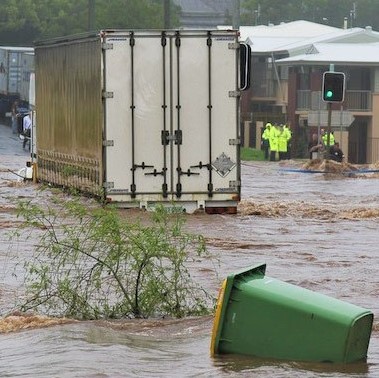
Truck crossing flooded river.

Continue Reading…

ARR 2019 Launched

In case you missed it the latest update to the ARR living document: ARR 2019 is now live in multiple formats: PDF; Web and ePub. Check it out online courtesy of GeoScience Australia.

Don’t forget the supporting projects either.

ARRB ARR2016 Road Training

The Australian Road Research Board is hosting a two x two-day workshops on ARR2016 with a specific focus on Austroads Guide to Road Design Parts 5, 5a & 5b.  They will be delivered by Mark Babister and Bill Weeks in Brisbane on 30 April/1 May and Melbourn on 4/5 June. 

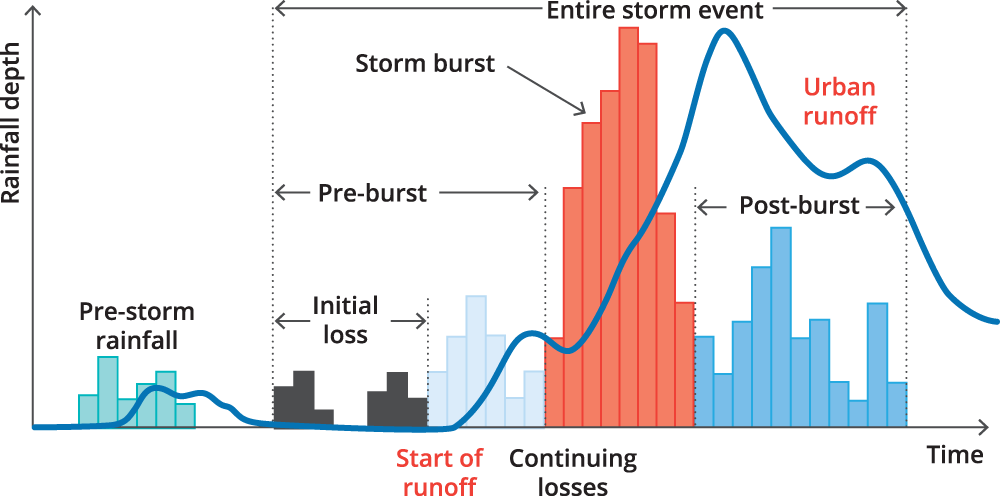
Rainfall Runoff Processes in Urban Catchments (Source ARR2016)

Content includes:

  • familiarising road designers and civil engineers with current best practice in road drainage design;
  • outlining application of “Australian Rainfall and Runoff” to road drainage design, and;
  • describing how drainage conditions can influence road design, road location.

Full details at: https://www.arrb.com.au/workshops/drainage

Workshop on ARR2016 in Urban Areas

There is a pre-conference workshop in front of the Floodplain Management Australia’s 2019 National Conference on Monday 13th May at the Hotel Realm, Canberra.

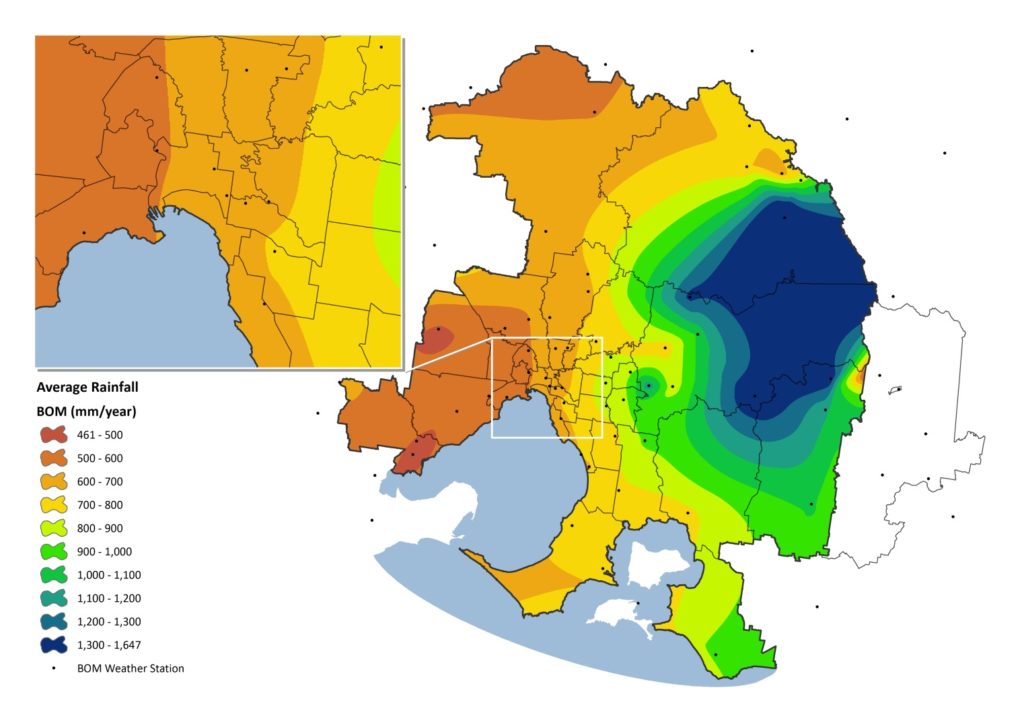
Spatial Distribution of Average Annual Rainfall Depths for the Greater Melbourne Region (From ARR2019 Book 9, Chapter 2)

To quote:

This one day course will be presented by the editors and authors of ARR and will cover the philosophy and application of ARR in urban catchments. The course is aimed at practitioners, managers, town planners and council engineering staff. The workshop will provide an overview of ARR but will focus on the application in urban areas. This workshop will include practical application via examples, open discussion and answers to questions. Importantly, this workshop is an opportunity for council officers and practitioners to discuss the objectives, the application and challenges of the new ARR Urban Book. An important part of the course will be the current philosophical objectives of the urban book and how we design and manage urban system in the future.

Full details are available at: https://floodplainconference.com/preconfworkshops/

ARR2016 User Survey

This post is on behalf of a researcher at UNSW.

We would like to invite you to complete a survey on how Australian Rainfall and Runoff (2016) is being used and implemented. This research is being completed by UNSW honours research student Michele Guild and supervised by Dr Fiona Johnson. We are interested in the opportunities, barriers and limitations that are facing professional engineers in using ARR2016. If you use ARR we would appreciate you taking the survey. The consent and participant information form for the survey can be accessed via the survey directly https://www.surveymonkey.com/r/RHC78TM or downloaded from http://www.hydrology.unsw.edu.au/survey-on-australian-rainfall-runoff-2016

Application of Australian Rainfall and Runoff (ARR2016) in Urban Areas Workshop

The ARR Urban Book workshop with the editors is now live for registration.

1:00pm – 5:00pm, Monday 7 May 2018
Engineers Australia, Level 31, 600 Bourke St, Melbourne, Victoria

This is an optional pre-conference workshop as part of the Climate Adaptation Conference taking place in Melbourne from 8-10 May 2018.  Special pricing has been arranged for delegates and EA Members:

  • $200 EA members and/or delegates
  • $250 All others

This afternoon workshop will be presented by the editors and authors of Book 9 of ARR and will cover the philosophy and application of ARR in Urban catchments. The workshop will provide an overview of ARR and its application in urban areas. This workshop will include practical application via examples, open discussion and answers to questions. Importantly, this workshop is an opportunity for practitioners and ARR editors to discuss the objectives, the application and challenges of the new ARR Urban Book as part of completing the Book.

A printable PDF flyer is available for download.

Official ARR 2016 Training Announced

In conjunction with Engineers Education Australia the Water Panel is promoting the upcoming two-day ARR training events that are occurring in Sydney on 21/22 May 2018.  Places are limited, and this is a paid event run by EEA, so check out the summary here but otherwise jump over to their site for full details.

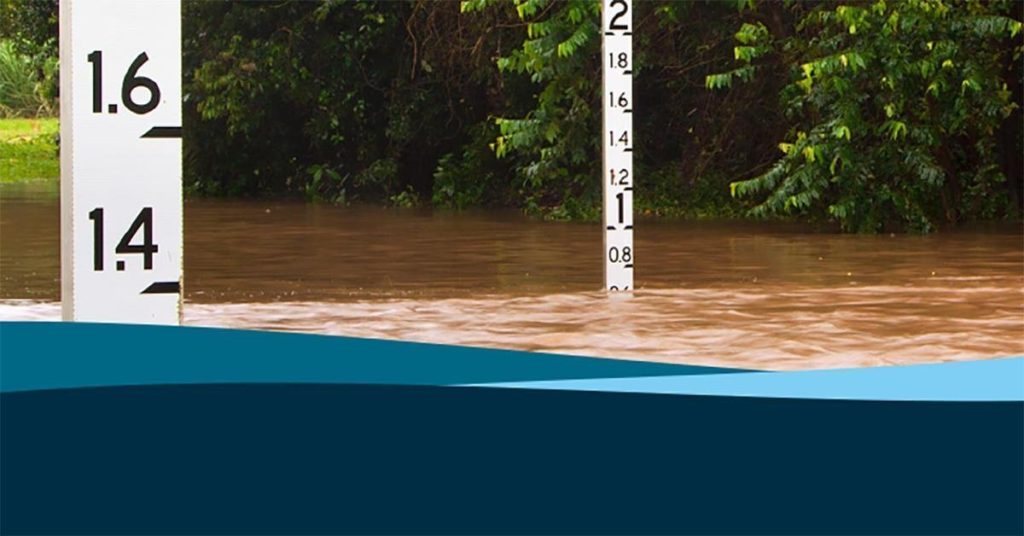
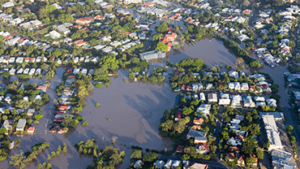
Urban Flooding Image
Urban Flooding

Day One – Introduction and Update
Suitable for all professionals working within the water industry, Day One will deliver an overview of the ARR guidelines and tools, as well as the updates to best practice as detailed in the 2016 edition.

Day Two – Advanced Application
Designed for hydrologists and engineers working within water related fields, this workshop will detail how to practically apply the tools, techniques and software in ARR 2016.

Participants have the option to attend either Day One or Day Two, or the full workshop. Contact EEA to register for a single day.

A printable PDF flyer is also available for download.

ARR2016: Uncertain about uncertainty?

UNSW short course in statistics and probability to support ARR2016

The release of Australian Rainfall and Runoff 2016 has focused interest on a range of sophisticated approaches for flood hydrology based on different statistical methods. This course provides an introduction and refresher of aspects of probability and statistical theory used throughout ARR2016. Attending this course will give you with the skills to best understand the theory behind the new ARR2016 methods and datasets available.

Course instructors

Dr Fiona Johnson and Dr Lucy Marshall, both academics at UNSW Sydney based in the Water Research Centre, in the School of Civil and Environmental Engineering. Fiona Johnson has over 15 years’ experience in working as a consultant, for government and in academia, with particular expertise in flooding, extreme events, and climate change assessments of water resources systems. Fiona previously worked on the IFD Revision Project of ARR2016. Lucy Marshall has over 15 years’ experience in academia, with research interests in uncertainty analysis, hydrologic model optimization, and catchment modelling.

Location and Time

1pm to 5pm, Wednesday August 23rd, 2017
UNSW CBD Campus
1 O’Connell St, Sydney NSW 2000
Cost: $250

To register please go to https://webpay.fin.unsw.edu.au/OneStopWeb/ENGIN_STATPROBWSHOP_2017

For further information contact Fiona Johnson f.johnson@unsw.edu.au or (+61) 02 9385 9769.

ARR 2016 Advanced Draft

The Wait is Over

A complete advanced draft of ARR is now available for industry comment and use where appropriate. The only outstanding chapter is Book 9 Chapter 6 – Modelling Approaches

This is because it is the last chapter that could be written as it is related to Books 9 and 7.

What Happens Now?

Arr draft will be available for industry comment till the end of October. At this point the editorial team will finalise the document based on user feedback and advise of a completion date. Comments should be lodged via the contact form on the arr website.

ARR At The Civil Panel

Mark Babister, on behalf of the ARR team, is giving a presentation at the Civil and Structural Engineering Panel.  The details are:

Tuesday 23rd February
5:30pm Start
Zenith Centre
Corner Railway and McIntosh Streets
Chatswood New South Wales 2067

A PDF flyer is available.

Cost:
Free for EA Members
$30 for non-EA Members
Online registration is required.

Abstract:

Australian Rainfall and Runoff (ARR) is the national flood estimation guideline. The last edition was published in 1987.

Technology and methods have evolved since that time and the 2016 edition incorporates 30
years of extra rainfall data, updated techniques and methodologies. This seminar provides an introduction to what has changed in the new ARR, focusing on the more general structural, civil and hydraulic engineering uses.

The seminar will include a demonstration of the new user friendly software suitable for use by non-
specialist hydrologists including the regional flood frequency software.

Mark Babister, the presenter, is the Managing Director of WMAwater Pty Ltd with over 25 years of experience in water engineering studies. He is the chair of the Technical Committee that is overseeing the ARR update and the editor of Australian Rainfall and Runoff Project 15 – Two Dimensional modelling of Urban and Rural floodplains.

Further Information: Michael Cahalane, Ph 0433 522 569 michael@warrensmith.com.au.

Older Posts »